 Las Cruces Stucco Repair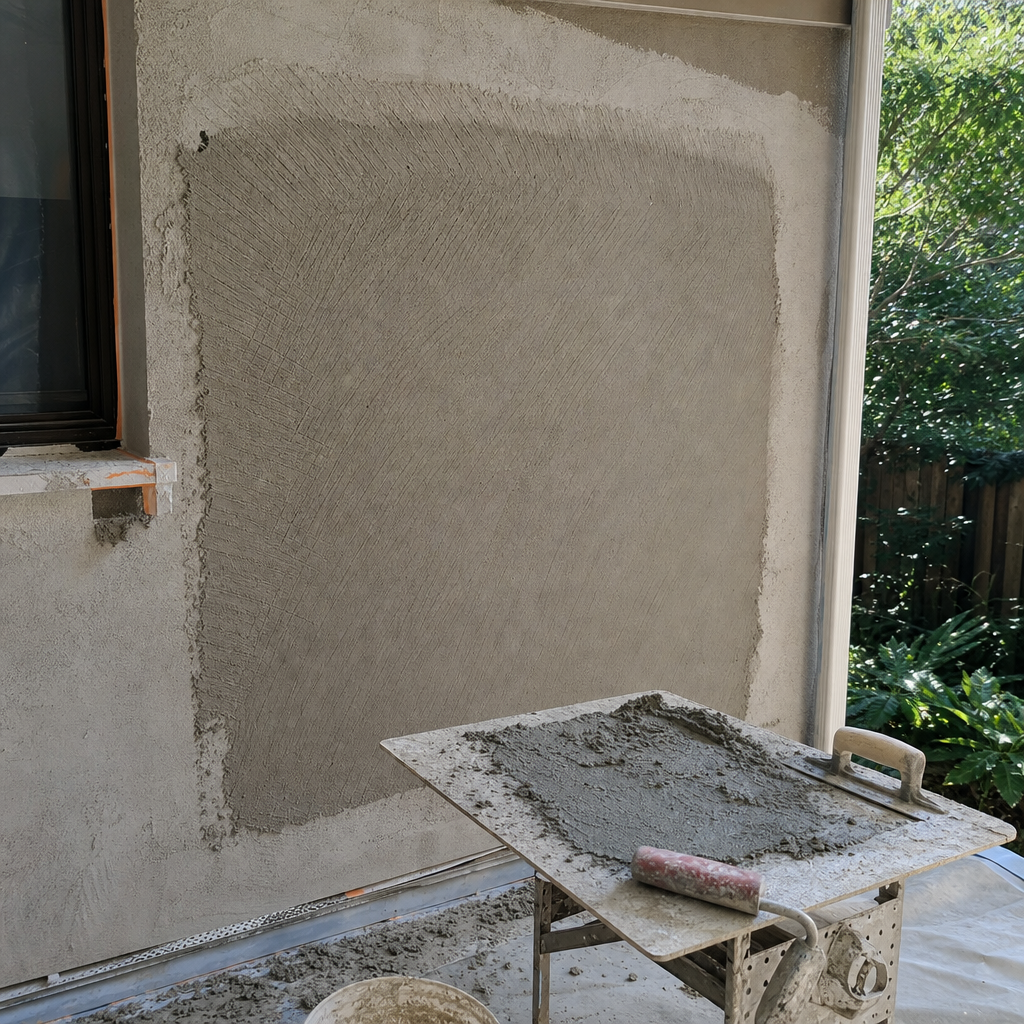
Cracked, stained, hollow, and failing stucco on homes across Las Cruces and the Mesilla Valley gets repaired by local independent plasterers, and Las Cruces Stucco Repair is how you reach one. Typical crack repairs run $200–$800, patching $500–$2,000, parapet repairs $800–$1,500, and a full restucco $6–$9 per square foot. Send a few photos of the damage and get a fast, honest quote, no salesman walk-through required.
Almost every home in Las Cruces wears stucco: the flat-roofed pueblo and territorial houses in Mesilla Park and the Alameda district, the 1970s–90s stock along the Telshor corridor, and the newer production homes climbing the East Mesa in Sonoma Ranch and High Range. When the exterior fails here, it fails as stucco: map cracking, blown-out patches, stained parapets, chalky faded color. That’s the whole trade this site covers, and nothing else.
What gets repaired
- Stucco crack repair: from fine hairlines to structural splits, we open each crack, fill it, and refinish it so the wall stays dry.
- Stucco patching: where the stucco has delaminated, sounds hollow, or has blown out, we rebuild it in new paper, lath, and cement rather than skimming over it.
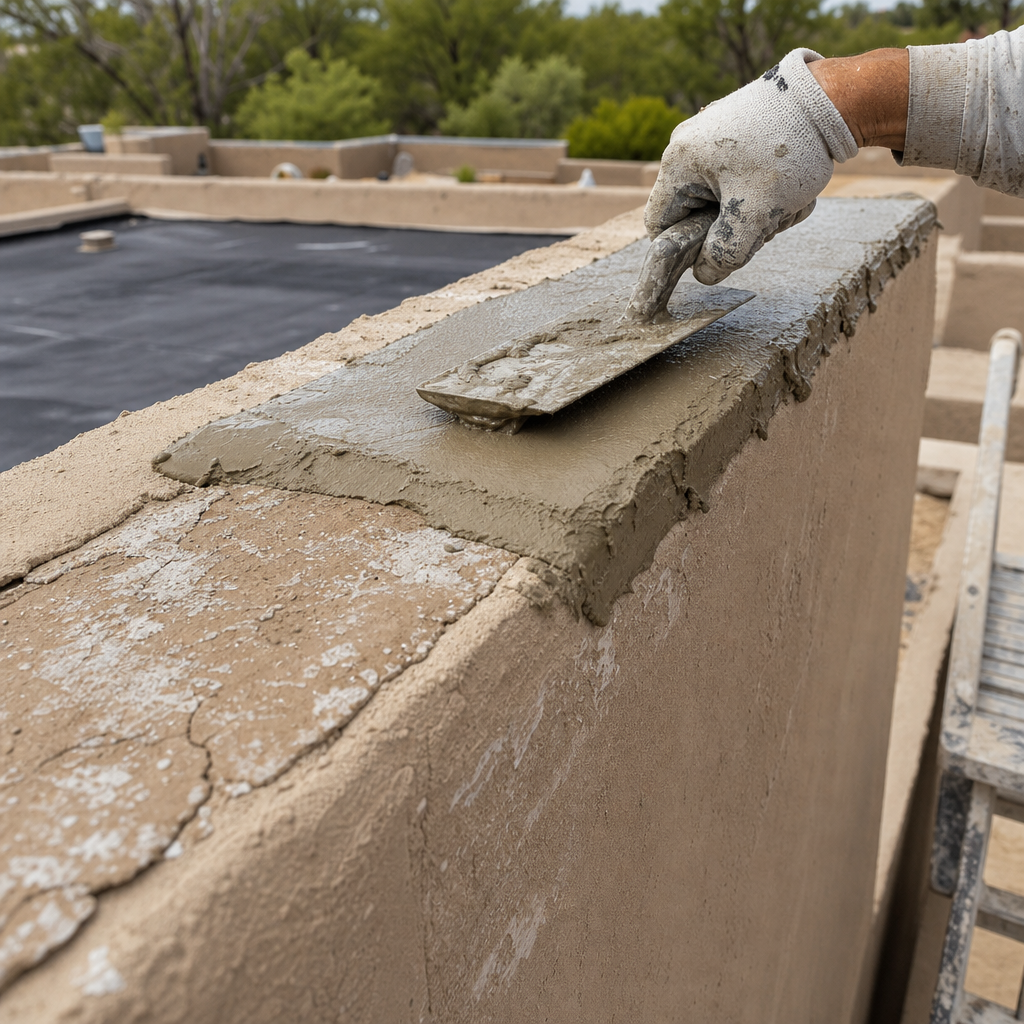
- Parapet repair: the number-one failure point on Las Cruces flat-roof homes. Cracked caps and leaking canales repaired or rebuilt.
- Restucco and recoating: once a wall is beyond patching, we give it a new finish coat or a full restucco.
- Elastomeric coating: one flexible, waterproof film over a whole elevation, spanning its hairline cracks.
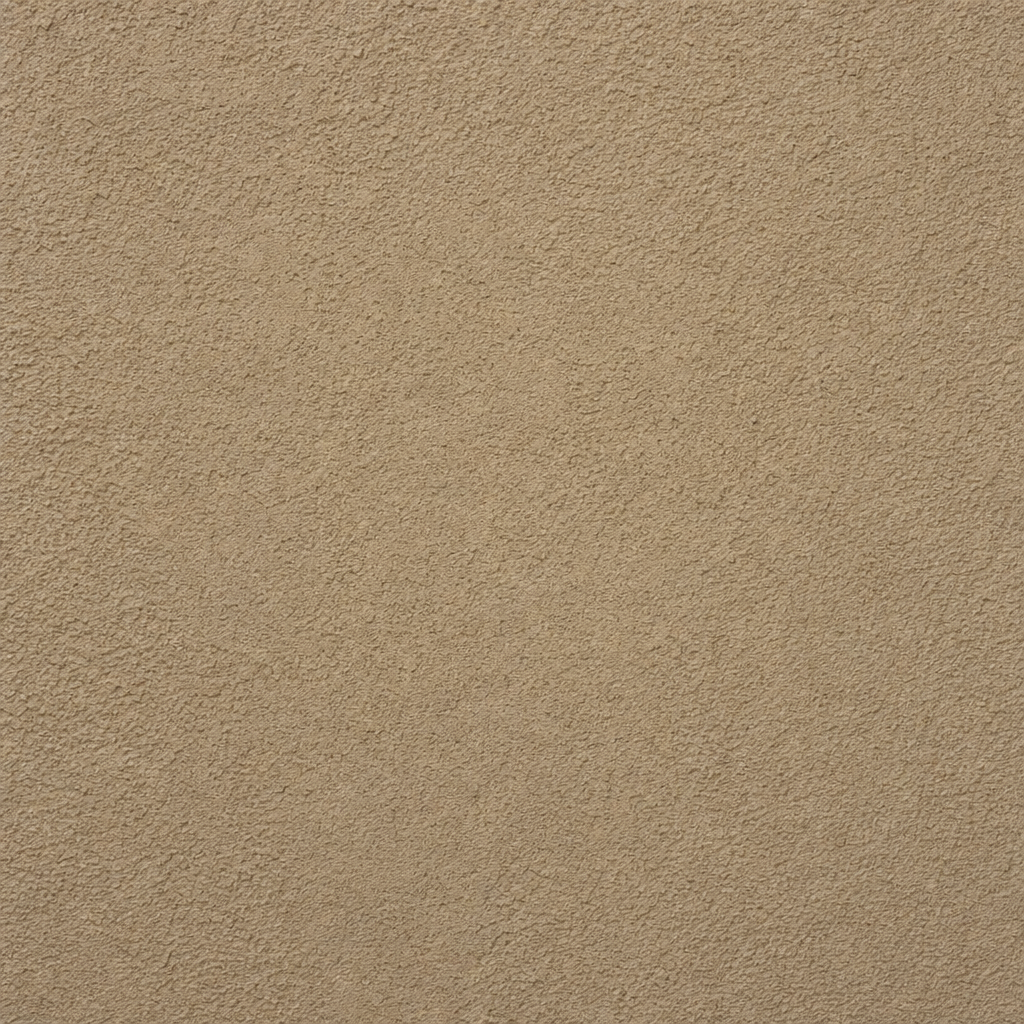
- Color and texture matching: repairs blended to the weathered wall so the fix doesn’t shout.
Why Las Cruces is hard on stucco
The daily temperature swing never stops working the wall. At about 3,900 feet, Las Cruces routinely swings 30–40 degrees between afternoon and dawn. The finish coat expands and contracts through every cycle, and over years it map-cracks, the fine spiderweb pattern you see on almost every older elevation in town.
Hard freezes turn hairlines into open cracks. Las Cruces winters are milder than northern New Mexico’s, but we still freeze dozens of nights a year, and occasionally hard. The February 2011 arctic blast dropped Las Cruces to 5 below zero (NMSU, February 3), burst pipes across the valley, and put a freeze-thaw punch into every crack that was holding water. Water in a hairline crack expands about 9% when it freezes. Multiply that by a winter of cycles and a cosmetic crack becomes a repair.
Spring wind season sandblasts the finish. March through May, sustained west winds funnel dust off the mesa across the valley. Years of that scours pigmented finish coats chalky and dull, especially on west- and south-facing elevations, a big reason recoating demand here is real, not manufactured.
Monsoon finds every failure. July through September, storms drop driving rain on walls that have been baking since April. Open cracks, failed sealant at windows, cracked parapet caps, and rusted canales all leak at once. Mid-summer is when “small” stucco problems announce themselves as interior stains.
The parapet problem. A huge share of Las Cruces housing (especially in Mesilla Park, Alameda, and the older midtown grid) is flat-roofed with parapet walls. The parapet cap takes sun, ponding rain, and freeze from both faces, and drains through canales that rust and lose their flashing. When a cap cracks, water enters the wall core and works down; by spring you see staining and spalling on both sides. This is the highest-stakes stucco repair in the valley, and it deserves to be treated that way. See parapet repair.
Three stucco systems, three different repairs
Getting the system right before touching the wall is half the job:
- Traditional three-coat: paper, wire lath, then roughly 3/4” of cement scratch and brown coat plus a finish coat. Most Las Cruces homes built before about 2000, and most custom and pueblo-style houses.
- One-coat: a single ~1/2” cement basecoat over foam sheathing. Common on newer production homes in Sonoma Ranch, High Range, and the East Mesa subdivisions. Thinner, so impacts and cracking telegraph faster.
- Synthetic / EIFS: foam board, fiberglass mesh in polymer cement, acrylic finish. It dents more easily, and once its sealant joints let go, water gets trapped behind it. We fix EIFS with EIFS materials only; cement patches have no place on it, and the reverse holds too.
And a fourth that isn’t stucco at all: real adobe. Mesilla’s historic core and Doña Ana village have walls of unstabilized mud brick, some standing since the 1840s–1850s. Portland cement stucco over real adobe is a well-documented mistake, it traps moisture in the adobe and the wall deteriorates behind the cement. Those walls need lime or mud plaster, and you should hear that straight. More on the Mesilla page.
Our repair, step by step
- Sound the wall and find the cause. Tap for hollow spots, trace cracks to their source (settling, a parapet cap, a rusted canale, sprinkler spray) and identify the system before anything gets cut.
- Cut back to sound material. We saw-cut and chip out the bad stucco, going beyond the edge of what you can see. Rusted lath and rotten paper come out. Nobody skims over a soft spot.
- Rebuild the weather barrier. New paper lapped shingle-style into the existing, new galvanized lath tied in, flashing corrected at parapets, canales, and penetrations. This step is where cheap patches fail.
- Scratch and brown coat, properly cured. We keep the cement basecoats damp while they cure and let the brown coat rest before any finish goes on. Rushing cure is how patches shrink-crack within a season.
- Finish, texture, and color. The finish coat replicates your texture and feathers into the wall, and color is blended to the weathered wall in daylight, judged dry, cement finishes shift color as they cure.
Honest pricing, published
| Repair | Typical range |
|---|---|
| Crack repair | $200–$800 |
| Patching (lath exposed) | $500–$2,000 |
| Parapet repair / rebuild | $800–$1,500 / $3,000–$10,000 |
| Elastomeric coating | $1.50–$3.50 per sq ft |
| Recoat / full restucco | $3–$6 / $6–$9 per sq ft |
Full breakdowns, what moves the number, and what a whole-house job costs are on the pricing page. In short, three things set the price (which system you have, how hard the wall is to reach, and how far the water has spread), and photos show us all three quickly. Caught early, most of this table stays on the affordable end of exterior work; it’s the deferred version, after a couple of monsoons, that climbs into rebuild money.
Straight answers from a local crew
We are an independently operated local stucco outfit. In this state the Construction Industries Division licenses the plastering and stucco trade, so ask anyone who quotes your wall, us included, to show that license. Don’t buy a patch when the wall needs a recoat, or a recoat when a $400 crack repair does it. If a crack keeps coming back, the cause is moving (foundation, parapet, bond beam), and a third patch won’t change that.
The service area covers Las Cruces and out to Mesilla, Doña Ana, Anthony, and Hatch. Every corner of the Mesilla Valley falls inside the area we work. Send photos of the damage, a wide shot of the elevation and a close-up of the worst spot, so we can come back with a real number and a realistic timeline. Questions first? Start with the FAQ or read about us.